
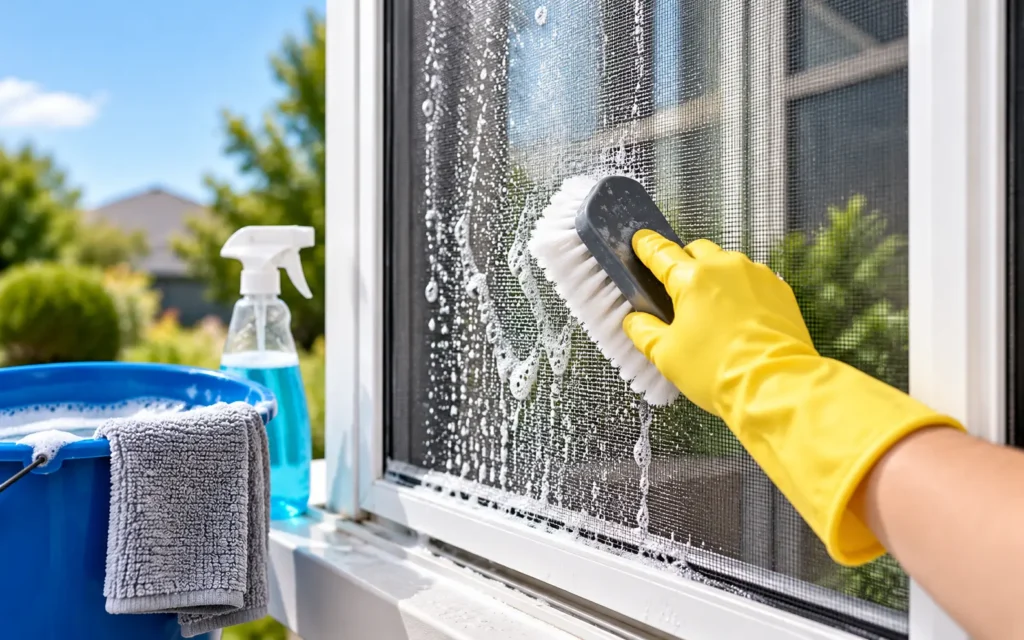
If you have ever opened a window expecting a wave of fresh air and instead got a puff of dust and grime, you already know why learning how to clean window screen is one of those tasks you cannot afford to keep skipping. I learned this the hard way one spring when I realized the “haze” I thought was morning fog was actually a season’s worth of pollen caked onto every screen in my house. Not a great look, and definitely not great for breathing.
Here is the thing: most homeowners overlook this small but mighty chore. According to the EPA, indoor air can be anywhere from two to five times more polluted than outdoor air, with pollen, dust mites, and mold spores being top contributors. When your window screens are clogged with debris, they stop doing their job as a filter and start doing the opposite, pushing pollutants back into your living space. Research from HouseFresh found that a surprising number of homeowners are unaware their indoor air quality is often worse than outside, partly because of neglected ventilation surfaces like screens.
That is exactly why knowing how to clean window screen is not just a cleaning habit, it is a health habit. Whether you are doing a quick spring refresh or a deep seasonal scrub, this guide covers every method, tool, and tip you need. It even covers how to clean window screen without removing it when you are short on time.
Why You Should Never Skip Window Screen Cleaning
Let us be real: window screens are the silent workhorses of your home. They block insects, filter incoming air, and let natural light through without the bugs. But because they are see-through and mostly out of sight, they fall off the radar until things get visibly dirty.
Experts consistently cite how to clean window screen as one of the most overlooked seasonal maintenance tasks in the average household. According to specialists at Rite Screen, cleaning window screens two to four times per year helps extend their lifespan, improves airflow, and keeps your home looking polished. That is roughly once per season for households in high-pollen or urban environments, and a minimum of once in spring and once in fall for everyone else.
Here is what builds up on an average window screen over time:
- Dust and dirt particles blown in from everyday outdoor wind
- Pollen during spring and fall bloom seasons
- Pet dander if animals rest near open windows
- Mold spores in humid climates
- Exhaust residue in urban or high-traffic neighborhoods
Each of these contaminants can seep indoors when screens are overloaded. The EPA has classified indoor air pollution as one of the top five environmental dangers, and dirty screens are a direct contributing factor. Studies show indoor air pollution is a problem across all types of homes, whether in a dense city or a rural town. The bottom line: knowing how to clean window screen properly is one of the simplest ways to breathe easier at home.
Tools You Need Before You Start
One of the best things about knowing how to clean window screen is that you do not need to invest in expensive equipment. Chances are you already have most of what you need under your kitchen sink or in the garage.
| Tool | Purpose | Cost Estimate |
|---|---|---|
| Soft-bristle brush | Scrubbing without tearing mesh | $3–$10 |
| Mild dish soap or white vinegar | Gentle cleaning solution | $2–$5 |
| Garden hose or shower | Thorough rinsing | Already owned |
| Microfiber cloths | Drying and wiping frames | $5–$12 |
| Bucket | Mixing cleaning solution | Already owned |
| Lint roller | Quick dry clean pass | $3–$6 |
| Spray bottle | In-place spot cleaning | $2–$4 |
Avoid anything abrasive, ammonia-based, or high-pressure. A pressure washer might seem like a time-saver, but window experts at Ply Gem strongly advise against it. The force of pressurized water can stretch or puncture the delicate mesh material, turning a $10 cleaning session into a full screen replacement. Gentle is always the right approach when you how to clean window screen correctly.
How to Clean Window Screen: The Full Step-by-Step Method
This is the gold standard process for how to clean window screen, and it works for fiberglass, aluminum, and solar screen materials alike.
Step 1: Remove the Screen From the Window Frame
Most modern window screens come out easily using small tabs or lift clips built into the frame. Press the tab inward, tilt the screen slightly, and slide it out. If your screens are older or painted in place, use a flat putty knife wrapped in a soft cloth to gently pry them free without scratching the sill.
Lean the screens against a wall or fence outside. Cleaning outdoors means all that dust and debris stays out of your house, which is a small but very satisfying win.
Step 2: Dry Brush or Vacuum First
Before introducing any water, give each screen a dry pass. Use a soft-bristle brush or a handheld vacuum on the lowest setting to remove loose dust, cobwebs, and dry debris from both sides. This step makes the wet phase of how to clean window screen far more effective and prevents turning dry dirt into muddy streaks.
A lint roller also works well for light surface dust if you simply want to clean window screen without removing it for a quick in-between touch-up.
Step 3: Mix Your Cleaning Solution
Fill a bucket with warm water and add a few drops of mild dish soap, enough to create a light lather but not a foam bath. A 50/50 mix of white vinegar and water is equally effective, particularly for screens with mineral deposits or stubborn seasonal grime. Both options are gentle enough to protect the mesh while powerful enough to lift real dirt.
Step 4: Scrub Both Sides Gently
Dip your soft-bristle brush into the solution and scrub in gentle circular motions across the entire screen surface. Work from top to bottom so dirty water drips downward naturally. Pay extra attention to the frame corners where grime tends to collect most heavily.
Do not press hard. The mesh material on most screens can stretch under too much pressure, which is one of the most common reasons screens begin to sag over time. This is a critical step to get right when you how to clean window screen with longevity in mind.
Step 5: Rinse Thoroughly on Both Sides
Use a garden hose on a gentle spray setting, or carry screens to a bathtub or shower if cleaning indoors. Rinse both sides completely until no soap residue remains. Leftover soap actually attracts more dust over time, so a thorough rinse is a non-negotiable part of how to clean window screen properly.
Step 6: Air Dry Completely Before Reinstalling
This is the step most people rush, and it is where problems get introduced. Lean the screens against a clean wall in a shaded, well-ventilated spot and allow them to air dry completely. A damp screen reinstalled in a window frame can cause moisture damage to the sill, encourage mold growth along the edges, and trap debris more quickly once back in place.
Once bone dry, slide them back into the frame, confirm they click in securely, and you are done. That is the complete process for how to clean window screen from start to finish.
How to Clean Window Screen Without Removing It
Not every situation calls for a full removal. If you are doing a maintenance pass between deep cleans, or if your screens are painted into older frames, here is how to clean window screen without taking it out entirely.
The In-Place Vacuum Method
Use a vacuum with a brush attachment on low suction and run it across the screen surface from top to bottom. Follow up with a slightly damp microfiber cloth to wipe both sides. This process takes under five minutes per screen and is perfect for monthly upkeep between the two major seasonal deep cleans.
The Spray-and-Wipe Method
Mix your vinegar-and-water solution in a spray bottle. Lightly mist the screen, then wipe from top to bottom using a soft cloth. Place a dry towel against the interior side of the screen to catch drips and protect your window sill. This is a solid technique for how to clean window screen in place when screens are moderately dusty but not heavily soiled.
The trade-off is that in-place cleaning never reaches the same depth as a full removal wash. Professionals consistently recommend full removal cleaning twice a year, with in-place spot cleaning in between, for the best long-term results.
Seasonal Cleaning Schedule That Actually Works
Timing matters significantly when it comes to how to clean window screen. Align your cleaning schedule with the seasons to stay ahead of the biggest buildup periods throughout the year.
| Season | Cleaning Method | Why It Matters |
|---|---|---|
| Spring | Deep clean (full removal) | Removes winter grime, prepares for open-window season |
| Summer | Quick in-place wipe-down | High pollen and dust from frequent open windows |
| Fall | Deep clean before closing windows | Clears pre-winter buildup, checks for damage |
| Winter | Optional spot clean | Less urgent unless you live in a warm climate |
This rhythm of two deep cleans and two maintenance passes per year is endorsed by Bob Vila’s home maintenance team and aligns with the recommendation from Rite Screen that how to clean window screen should be a consistent biannual habit for functional longevity.
Common Mistakes to Avoid When Cleaning Screens
Even with a good understanding of how to clean window screen, a few classic errors can undo your work or damage screens entirely.
Using a pressure washer: The force will stretch or puncture the mesh. A gentle hose spray or handheld shower setting is always the safer alternative.
Skipping the dry brush step: Jumping straight to soap and water turns surface dust into a muddy film that is harder to remove than the original dry dirt.
Reinstalling screens before they are fully dry: Even slight trapped moisture against a wooden window frame accelerates rot and mold growth along the sill.
Using harsh chemical cleaners: Bleach, ammonia, and abrasive powders can corrode aluminum frames and degrade fiberglass mesh over time, shortening the screen’s useful life.
Only cleaning one side: Dirt collects on both the interior and exterior faces of every screen. Scrubbing both sides is essential to the how to clean window screen process.
Stacking wet screens: Stacking them face to face while wet causes them to bond together and can damage the mesh surface on both screens simultaneously.
Pro Tips to Keep Screens Cleaner Between Washes
Once you have completed the deep clean, a few small habits go a long way toward keeping screens fresher between sessions.
- Clean during calm, mild weather to avoid re-depositing airborne debris on wet screens while they dry.
- Trim nearby plants and shrubs to reduce the volume of pollen and organic debris that lands directly on screens.
- Run a lint roller over each screen once a month for a 30-second pass that catches surface dust before it builds into a crust.
- Inspect screens while cleaning for small holes or tears. Tiny damage repaired early with mesh repair tape costs under $5 and prevents a full replacement later.
- Store removed screens flat, not stacked or leaning at extreme angles, to prevent frame bending or warping during storage.
For broader exterior home maintenance tips and seasonal upkeep checklists, Homes Remodeler is a reliable reference that digs into the details most homeowners miss.
When to Replace Instead of Clean
Understanding how to clean window screen is valuable, but recognizing when cleaning is no longer the answer is just as important. If a screen displays any of the following signs, replacement is the smarter move:
- Tears or punctures larger than a centimeter across
- Severely sagging, stretched, or warped mesh
- Bent or broken frames that no longer fit flush in the window
- Rust or corrosion on metal frames
- Permanent staining or discoloration that reduces visibility and airflow
Replacement is far less expensive than enduring the long-term effects of a non-functional screen, including increased pest entry and worsening indoor air quality. Most home improvement stores offer custom-cut replacement screens, and installation is straightforward for standard window types.
FAQ: How to Clean Window Screen
How often should I clean my window screens?
Most home maintenance experts recommend cleaning window screens twice a year, once in spring and once in fall. If you live in a high-pollen area, near construction, or have pets near open windows, cleaning them every three months can help improve airflow and visibility.
Can I clean window screens without removing them from the frame?
Yes. For light dust and dirt, use a vacuum with a soft brush attachment and wipe the screen with a damp microfiber cloth. For a deeper clean, remove the screen and wash both sides with mild soapy water.
What is the best homemade cleaning solution for window screens?
A mixture of warm water and a few drops of mild dish soap works well for most window screens. For mineral deposits or heavier grime, you can also use equal parts white vinegar and water.
Will a pressure washer damage window screens?
Yes. A pressure washer can stretch, puncture, or damage the screen mesh. A garden hose on a gentle setting is a safer option.
What happens if window screens are never cleaned?
Dirty window screens can collect dust, pollen, debris, and other airborne particles. Over time, this buildup can reduce airflow, affect visibility, and make screens harder to clean. Regular cleaning helps keep them in better condition and extends their usable life.


